

How Do Pilots Steer a Hot Air Balloon? A Simple Breakdown
Oct 27, 2025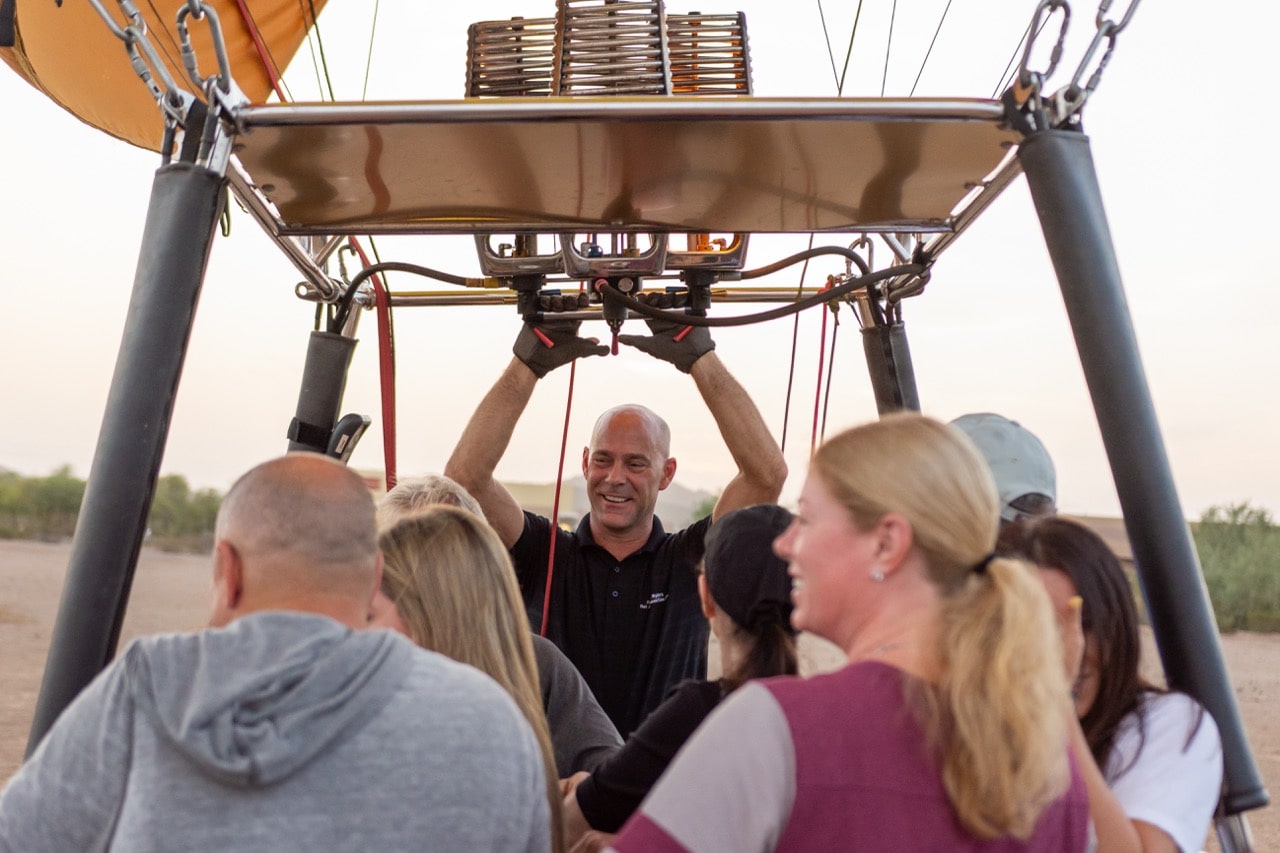
Key Takeaways
- Instead of wheel- or yoke-controlled steering, which is found in airplanes or cars, hot air balloons must leverage wind layers at different altitudes to guide the flight.
- Hot air balloon pilots change altitude by using burners and vents to regulate the temperature of the air inside the envelope—the hotter the air is, the higher the balloon rises.
- Hot air balloon pilots are expected to carry tools that measure altitude, show the rate of climb or descent, and track their location and speed to facilitate navigation.
- Thanks to modern-day technology and the rigorous training pilots have to go through, hot air balloon passengers can expect a smooth, wind-driven journey that is both safe and comfortable.
The Art of Steering a Hot Air Balloon
Seeing a hot air balloon floating peacefully in the sky can stir up intrigue, raising questions about how hot air balloons function. For instance, many people wonder how pilots steer a hot air balloon, as lighter-than-air (LTA) vehicles operate differently from more conventional aircraft like helicopters and airplanes that respectively use rudders and engines to control their direction.
Uniquely, hot air balloons rely on natural forces, such as heat and wind currents, to chart a path through the sky. By controlling the amount of heated air in the large fabric bag known as the envelope, trained pilots can strategically change the altitude of their hot air balloon to enter different wind layers, ultimately pushing them in the direction they want to go. To facilitate steering, pilots bring a wide range of equipment that helps them track their altitude, speed, and location mid-flight.
There are a lot of things to consider when it comes to safe hot air balloon navigation. This guide breaks down how you steer a hot air balloon, going over the fundamentals of altitude control, the tools pilots use, and what passengers can expect on their journey.
How Does a Hot Air Balloon Move?
Hot air balloons move by catching wind currents that vary in direction depending on the altitude. To get a more in-depth explanation of hot air balloon navigation and how pilots balance the different factors at play, read through the following considerations.
Lift and Altitude Control
Hot air balloons are able to lift off the ground thanks to the thermal expansion and density changes air goes through when it is heated. When a pilot uses a propane-fueled burner to heat the air inside a hot air balloon’s envelope, the air molecules gain kinetic energy, meaning they move faster and spread farther apart. The air retains its mass but becomes less dense, causing it to take up more space and make the envelope billow up.
Having lower density means the envelope’s heated air is lighter than the cooler air around it, encouraging the hot air balloon to rise. When it is time to go back down, pilots can simply allow the trapped air to cool on its own or release hot air through vents for a quicker descent.
Wind-Driven Direction
A hot air balloon has no forward thrust, making it much different than an airplane. Instead, it moves wherever the wind blows. Now, you may be asking, “If they are at the mercy of the wind, how do pilots steer a hot air balloon?” The answer is found in wind layers.
The atmosphere is not uniform, meaning winds often blow in slightly different directions depending on their altitude. For example, a surface-level layer of wind may be moving west, while a higher layer may travel south. Sometimes, changing a hot air balloon’s altitude by just a few hundred feet can completely shift its course.
Planning to Use Wind Layers to Steer
Although they have to travel where the wind blows, hot air balloon pilots don’t leave things up to chance. Before flights, pilots carefully analyze wind patterns and weather forecasts to predict the directions and speeds of air currents at different altitudes. They also use real-time indicators, such as smoke trails or cloud movement.
Accordingly, pilots alter the temperature of the air in the hot air balloon’s envelope to change their altitude and catch the wind currents that will push them in their desired direction. Thanks to their planning and mid-flight decision-making abilities, trained hot air balloon pilots can ensure smooth, scenic flights with predictable landings.
Equipment That Facilitates Navigation
While hot air balloons may appear simple in design, especially when compared to airplanes or helicopters, there is a lot that goes into their ability to navigate through the sky. Read through the following considerations to best understand the equipment that facilitates hot air balloon navigation.
Burner Controls
The propane burner is at the heart of every modern-day hot air balloon flight. Pilots can use this burner to blast heat into the envelope and increase the altitude of their hot air balloon. Similarly, reducing or pausing burner use can cause the balloon to cool and descend naturally.
Envelope and Venting Systems
Many hot air balloons’ envelopes are equipped with parachute vents or side vents. Pilots can use these vents to release hot air in controlled bursts to either stabilize altitude or descend more quickly when it is time to land.
Instruments
Some examples of additional tools hot air balloon pilots may carry are:
- Altimeter – Provides a precise reading of how high the hot air balloon is above sea level, helping pilots catch the right air currents, operate within altitude restrictions, and comply with relevant airspace regulations.
- Variometer – Indicates the rate at which the balloon is climbing or descending, allowing pilots to make smoother, more controlled altitude adjustments.
- GPS – Offers real-time location, speed, and direction tracking that can assist with navigation and flight planning. It can also help pilots coordinate with ground crews to ensure efficient landings.
When used in unison, the instruments above can provide the information needed to navigate safely through the air.
Pilot Decision-Making in Flight
Steering a hot air balloon requires more than just the right equipment; it requires observation, judgment, and communication. Some examples of things pilots have to do mid-flight to facilitate steering are:
- Observing the landscape – Pilots are trained to constantly watch landmarks such as rivers, roads, and fields. They analyze the landscape to estimate direction, drift, and distance traveled.
- Weather considerations – Wind shifts are possible mid-flight, meaning pilots must adapt to changes in speed, direction, or atmospheric stability. Sometimes, pilots also have to choose alternate landing zones for safety.
- Communication with crew – Sometimes, crews follow hot air balloons in ground vehicles, and they use radios and visual signals to talk to pilots and coordinate landing sites.
The Passenger Experience
Passengers often wonder what a hot air balloon that is being steered feels like from inside the basket. Usually, it just feels like gentle glides and subtle shifts because direction changes are smooth and driven entirely by catching new wind layers. With that being said, passengers can usually feel a subtle rising and falling feeling as pilots heat or cool the air in the balloon, causing it to rise or descend.
Safety Measures
During the training process, the Federal Aviation Administration (FAA) equips hot air balloon pilots with the safety tips needed to ensure every steering decision prioritizes passenger comfort and security. From selecting safe landing zones to avoiding low-visibility conditions, reliable pilots are always focused on ensuring the ride provides a sense of security for all passengers.
Mastering Hot Air Balloon Flight
Steering a hot air balloon is a subtle art. It takes skill and experience to master. Pilots must undergo extensive training to earn FAA certification. They must learn to read winds, predict and pinpoint ideal weather conditions, and make split-second decisions to change altitude and shift their direction.
Mastering hot air balloon flight also takes patience and timing. Sometimes, the right wind layer isn’t available immediately, so pilots wait for the perfect moment to ascend or descend.
With a masterful pilot in control, passengers can step back and enjoy the flight. Unlike vehicles that are solely focused on going from point A to point B, the best part about ballooning is the journey itself. Using wind layers to steer the hot air balloon is enough to guide the ride while still allowing nature to shape the adventure.
Take Flight with Confidence
Now that you understand how pilots steer a hot air balloon, the process may feel less mysterious and more fascinating. Even though hot air balloons do not have steering wheels, passengers can rest easy knowing their pilots are trained to use a combination of altitude adjustments, wind-reading expertise, and weather awareness to create a smooth and unforgettable flight for everyone in the basket.
At Rainbow Ryders, our team of FAA-certified pilots has mastered hot air balloon navigation, flying around 40,000 passengers every year in Albuquerque, Phoenix, Colorado Springs, and Park City. We work hard to ensure every passenger enjoys a flight that is as smooth and safe as it is breathtaking. Whether you’re gliding over the desert just after sunrise or catching panoramic city views right before sunset, you can trust our Rainbow Ryders to deliver an unforgettable adventure.
If you are ready to experience the magic for yourself, use our website to book your flight in any of the four corners of the southwestern United States. Alternatively, if you have any questions or concerns, you can contact us for more information.